Fear is the shadow that innovation walks with. Every bold idea tiptoes past the doubt of “What if it fails?” Every disruptive vision battles the chorus of “This isn’t how we do things.” Fear doesn’t just live in innovation — it often leads it. But what if we could flip that script? What if we gave leadership a new voice, one that doesn’t tremble in fear, but sings through it?
That’s the power of Poetic Voice — a leadership tool disguised as an art form. A fusion of spoken word poetry and strategic storytelling that doesn’t just inform, but transforms. It breathes courage into the rooms where silence once reigned. It emboldens teams not by removing the fear, but by reframing it — turning it into rhythm. Into reason. Into a verse that rises even when the path is unclear.
Because innovation doesn’t need certainty, it needs permission. Permission to feel. To fail. To fall forward with grace. And poetic voice fosters that by shifting the atmosphere — it disrupts the ordinary cadence of meetings, of presentations, of leadership itself. Suddenly, the air feels different. The language is less transactional and more truthful. People listen not because they’re obligated, but because they’re moved.
Fearless innovation is not about having no fear. It’s about being louder than the fear. Poetic Voice hands leaders a megaphone of meaning. It teaches them to wrap their ideas in vulnerability, to lead with empathy, to use narrative not just as a communication tool, but as a bridge to belief.
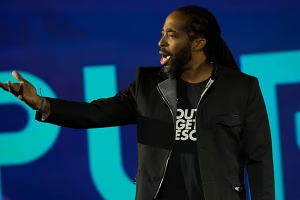
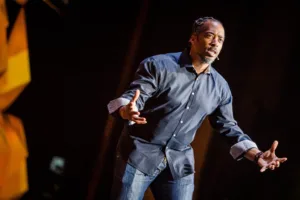
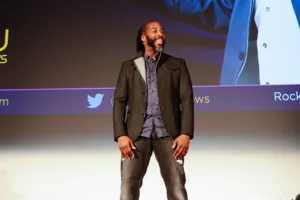
I’ve stood in rooms where poetic disruption cracked open strategies that had been stuck for years. Where one lyrical shift turned resistance into realization. That’s what happens when you let poetry lead. You unchain the imagination. You humanize the unknown. And suddenly, innovation stops being this scary leap and becomes a dance — sometimes messy, sometimes magnificent, always meaningful.
So if you’re looking for the edge in innovation, look beyond the usual. Look into the lyrical. Tap into the power of Poetic Voice. Because where data gives direction, it’s poetry that gives permission. To imagine. To risk. To rise.