Let’s be clear—creativity isn’t fluff. It isn’t decoration. It’s not the sprinkles on your strategy. Creativity is infrastructure. It’s impact. It’s income. In a world where audiences are bombarded with noise, creative communication is how your message makes music. And that music? That’s what moves people to action.
I’ve seen the ROI of rhythm. I’ve watched spoken word poetry shift culture inside boardrooms. I’ve delivered keynotes that fused data with drama, leaving C-suites in standing ovations and skeptics in tears. Why? Because creative communication isn’t about making things pretty—it’s about making them powerful. It’s about ensuring that your leadership doesn’t just speak—it resonates.
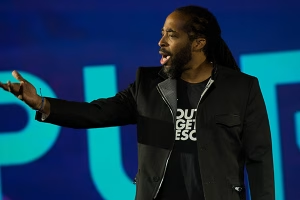
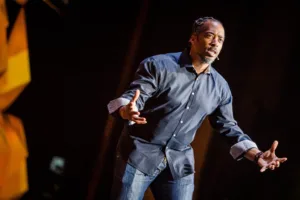
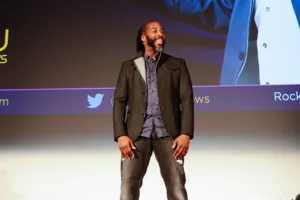
Companies hire me, a Grammy-nominated spoken word artist and best corporate keynote speaker, not because they want to be entertained. They want to be energized. They want their teams to remember the mission. To reconnect to the why. To rediscover their voice inside the noise. And creativity—true, intentional, unapologetic creativity—is the clearest, quickest, most human way to do that.
Here’s the business case: creativity creates connection. It humanizes data. It turns metrics into movements. When I step on stage and drop a Poetic Voice keynote, I’m not just delivering spoken word poetry—I’m delivering messaging that makes people feel seen. And when people feel seen, they lean in. They listen longer. They act faster. That’s not magic—it’s strategy wrapped in soul.
We live in an age of disruption, but what gets lost in the buzz around AI, automation, and analytics is the very thing that sets your company apart: storytelling. Your brand story. Your leadership story. Your customer’s story. These aren’t anecdotes—they’re assets. And when you train your team—through motivational speaking training or public speaking coaching—to deliver those stories with creativity and authenticity, you don’t just grow culture. You grow revenue.
Don’t believe me? Ask the Fortune 500s I’ve rocked. Ask the executives who have wept, laughed, and leapt to their feet. Creative communication moves hearts, yes. But it also moves bottom lines. It improves engagement, enhances retention, boosts performance, and transforms static messaging into scalable momentum.
So the next time someone says, “We don’t have time for poetry,” you tell them this: You don’t have time not to stand out. You can’t afford not to connect deeply. Because in a world where sameness is safe, creativity is the real security. And if your brand wants to stay relevant, then your message must stay resonant.
This is the business case for creative communication. It’s not soft. It’s seismic. It’s not optional. It’s operational. It’s not a detour from strategy. It is the strategy.
And the leaders bold enough to speak with creativity? They’re the ones who will be heard, remembered, and followed.