Audiences aren’t obstacles — they’re ecosystems. Each room a living, breathing organism with its own rhythm, resistance, and readiness to be moved. And if you want to wear the title of world’s best public speaker, you must know how to listen to that rhythm before you ever speak into it.
There’s a room that leans back before you’ve even taken the mic — cautious, protective, bracing themselves for the usual. Another that leans in, hungry and hopeful. There’s a crowd that laughs easily, one that analyzes constantly, one that does both simultaneously and expects you to keep up. And yet, beneath every variation, one universal truth remains: they want to believe. They’re yearning for you to give them permission to feel again — to be more than just attendees, but participants in something transformational.
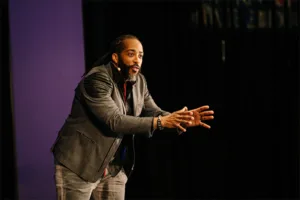
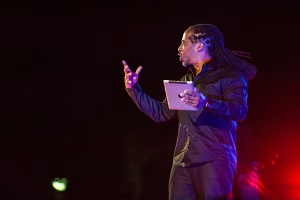
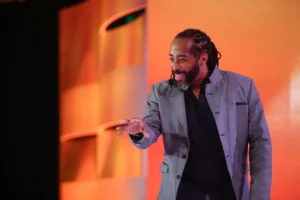
When I step onto that stage, I don’t search for the loudest applause or the nodding heads. I look for the eyes that haven’t decided yet. That’s where the power lives. In shifting the maybe into the yes. In turning silence into standing ovation. I don’t adjust my truth to fit the room — I adjust my tone, my rhythm, my references. Because connection isn’t about changing who you are — it’s about changing how you’re heard. The most inspiring African American keynote speakerdoesn’t just speak to people — he speaks through resistance, into identity, and beyond expectations. That’s how you turn any audience into advocates.