We’ve done it. We’ve successfully smartened up everything. Our phones, our homes, our watches, even our cat’s food bowl (which, I’ll be honest, was very dumb before). We’re swimming in a sea of data, armed with analytics, and we’re all competing to be the smartest person in the Zoom. We’ve become master collectors, stocking the pantry of our minds with the rarest facts and the most exotic figures. We’ve got all the ingredients. The problem is, we’ve forgotten how to cook. All this focus on being “smarter” has turned us into hoarders of information, but it hasn’t necessarily made us any wiser. What if the real goal isn’t to have the most impressive pantry, but to host the most nourishing dinner party? What if we stopped showing off our ingredients and started inviting people into the kitchen?
The “smart” approach is a recipe. It’s a monologue. It’s the bullet points on a slide, the quarterly report, the undeniable logic that gets you from A to Z as fast as possible. It’s the person in the meeting who isn’t listening to what you’re saying, but is just waiting for a pause to interject with the answer they’ve had locked and loaded from the start. They’re not practicing active listening; they’re practicing conversational whack-a-mole. This is the world of the data dump. It’s like handing someone a bag of flour, a carton of eggs, and a stick of butter and calling it a cake. All the components are there, but the magic, the connection, the experience, is missing. You’re left feeling informed, but not transformed. You get the stats, but you miss the goosebumps.
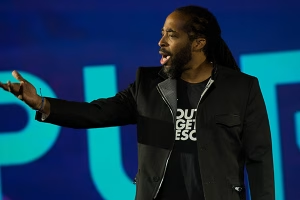
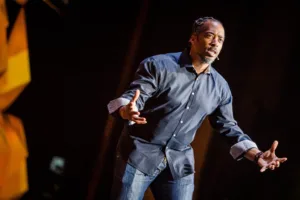
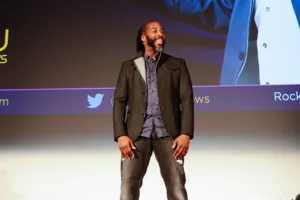
Wisdom, on the other hand, is the kitchen. It’s messy, it’s collaborative, and it’s a full-sensory experience. A wise leader doesn’t just read the recipe; they ask better questions. They lean in and listen. I’ve found in my own work as a Grammy Nominated Spoken Word Artist that the best performances aren’t about me having all the right words. They’re about creating a space where the audience feels their own story in mine. This is what the most inspirational motivational poet does—they don’t just talk at you; they start a conversation with you. This is the core of powerful spoken word poetry. It’s the art of turning a monologue of information into a dialogue of inspiration, a practice that a vanguard artist must master to truly connect. Wisdom is brave enough to say, “I don’t know, what do you think?” It trades the efficiency of a monologue for the profound, unpredictable power of a dialogue.
We’re drowning in smarts but starving for wisdom. So I challenge you: stop collecting recipes. Stop trying to have all the answers. Instead, open the kitchen. Ask a question you don’t have the answer to. Listen so hard you can feel the story beneath the words. Put down the bullet points and pick up the ladle. Because the world doesn’t need another smart person with a perfectly stocked pantry. It needs a wise soul who isn’t afraid to get their hands dirty, make a beautiful mess, and serve up a meal so full of humanity that everyone feels nourished. It needs you to turn your data into a dialogue, and your information into an invitation to the most important table of all: the human one.