A truly safe space isn’t just quiet — it’s welcoming. It doesn’t just avoid harm — it invites healing. And in a culture that often asks for performance over presence, one of the boldest things a leader can do is offer space where people can simply be.
That’s where spoken word becomes more than art. It becomes a tool for transformation.
Creating safe spaces with spoken word starts with language that’s unguarded. Language that doesn’t perform perfection, but reveals humanity. Spoken word invites the speaker to bring their whole self — the stumbles, the scars, the soul — and offers others the permission to do the same.
It’s not about rhyming. It’s about revealing. About making room for emotion without judgment. About using rhythm as a way to reset the room. To shift the energy. To say with every word: “It’s okay to be real here.”
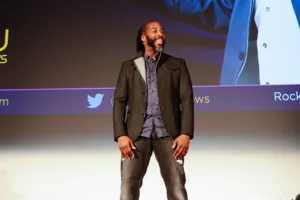
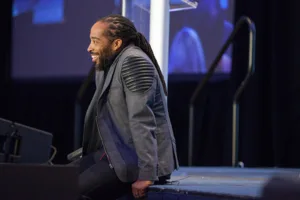
When I lead spoken word sessions in corporate spaces, I watch something shift. The suits soften. The masks fall. People who’ve worked next to each other for years finally see each other. Because spoken word doesn’t just speak — it listens out loud. It invites silence, then fills it with shared truth.
Safe spaces don’t require perfection — they require presence. And spoken word is presence, embodied. It creates a container where trauma can be spoken, where hope can be reawakened, and where identity is not tolerated — it’s celebrated.
So if you’re building a team, a culture, a movement — don’t just offer feedback sessions and HR trainings. Offer sacred space.
Let spoken word crack the surface, soften the edges, and let everyone exhale into a truth that’s finally allowed to be heard. Because when voices rise in rhythm, safety isn’t just created. It’s felt.