Leadership has a rhythm.
It’s not just in what you say — it’s in how you say it. The cadence of confidence. The pause of presence. The syncopation of sincerity. In a world addicted to noise, true leaders don’t just make sound — they create music.
That’s where poetry enters the boardroom. Not as decoration, but as domination. Because rhythm isn’t just an art — it’s a tactic. It’s what great speakers use to grip attention, to bend time, to make a single sentence feel like a revelation. Poetic techniques — pacing, repetition, tension, release — they’re the tools of a vanguard artist. But they’re also the tools of a visionary leader.
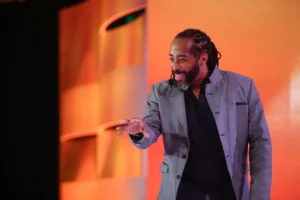
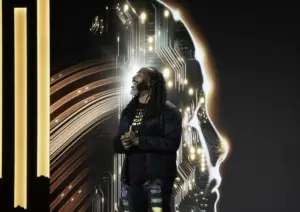
When I step on stage as a motivational keynote speaker, I’m not just performing. I’m leading. I’m reading the room like a beat. I’m matching the energy, then shifting it. And I’ve taught the same to CEOs, creatives, and changemakers who want their message to not just land — but linger.
Because rhythm is power. When used with intention, it calms a storm, stirs a revolution, or sells a vision. It turns your message from forgettable to ferocious. From “just another update” to “wait, what did they just say?”
Poetic leadership means you don’t wait for the room to give you permission to lead — you create a rhythm so undeniable that they have to follow. Your voice becomes the drum. Your story becomes the groove. Your purpose becomes the pulse.
So don’t just lead with logic. Lead with lyricism. Let your language move like music. Let your presence be felt like a beat drop. Because when you master rhythm in leadership, you don’t just command attention…
You conduct it.