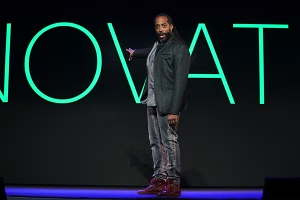
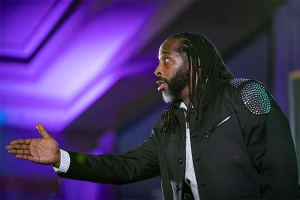
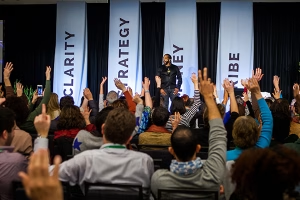
If you don’t own your story, your story will own you. It will whisper insecurities into your mic. It will turn your stage into a tightrope. It will hide your message behind a mask. But when you own it? When you claim your narrative fully and unapologetically? That’s when the stage becomes your playground.
Before I became a Grammy-nominated spoken word artist and one of the top keynote speakers in the game, I had to wrestle with my own story. The messy parts. The magical parts. The parts I thought were too complicated to share. But every time I tried to sidestep the truth, my voice rang hollow. The audience might not have known why—but they could feel it. Authenticity is always felt before it’s understood.
Owning your story doesn’t mean you glorify every chapter. It means you honor it. It means you recognize that your journey—flawed, funky, and full of fire—is what qualifies you to lead. The best motivational poets and corporate speakers don’t tell fairy tales. They tell freedom songs—because they’ve lived through the verses.
When you own your story, your confidence shifts. You stop performing and start proclaiming. You stop worrying about approval and start speaking from purpose. And the audience doesn’t just listen—they lean in. They sense your ownership, and it gives them permission to do the same.
So the next time you step on a stage—live, virtual, or otherwise—don’t just deliver a message. Deliver your self. Stand in the center of your narrative like it’s a crown. Because when you own your story, the stage doesn’t just belong to you. It becomes you.